The Story About Tangkahan

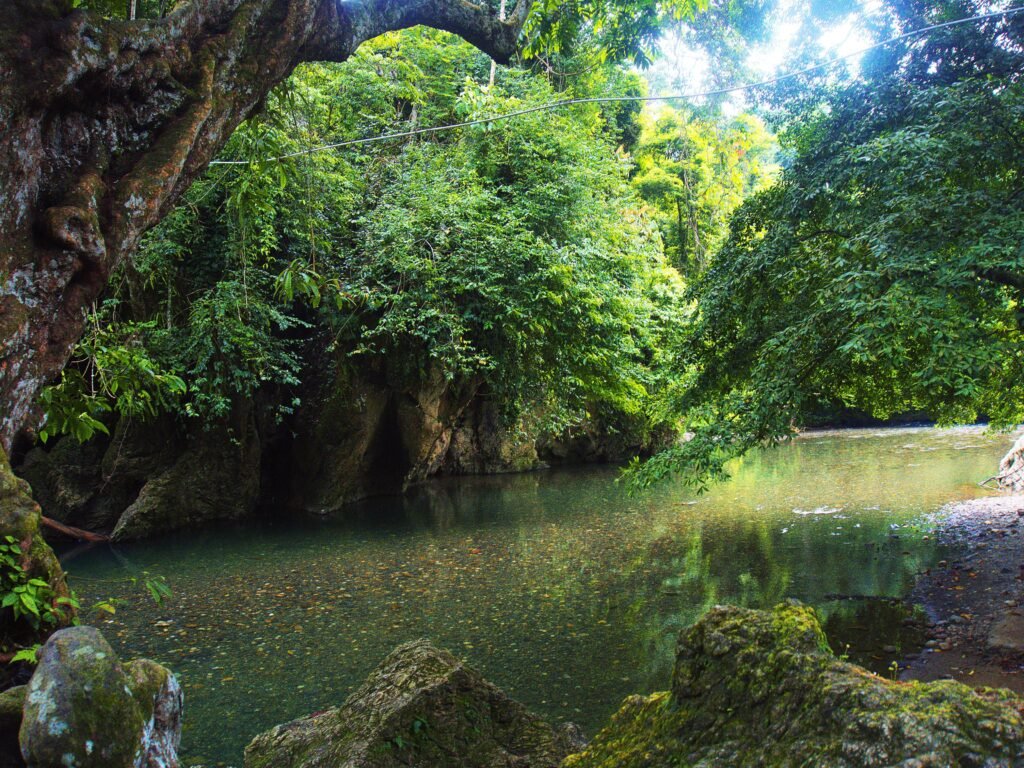
Long before visitors came to explore the jungle, Tangkahan was simply a small village surrounded by the forests of Gunung Leuser National Park. Life here was closely connected to the forest. The jungle provided many things people needed, and generations of local families grew up knowing its rivers, trails, plants, and wildlife.

But as time passed, the relationship between the village and the forest became more complicated. People needed to make a living, and for some, the forest became a source of income. Illegal logging became a serious problem in the area, and parts of the surrounding forest were affected.

Then something began to change.

Tangkahan From Logging to Conservation

In the late 1990s and early 2000s, a group of young people from Tangkahan began thinking differently about the future of their village. Instead of seeing the forest only as a source of timber, they began to see another possibility — protecting the forest and creating a living from it through responsible tourism.

This was an important turning point for Tangkahan.

Local people started working together with the authorities and conservation organisations to protect the forest and develop tourism around its natural beauty. The community began moving away from destructive activities and towards conservation.

The idea was simple but powerful:

If the forest is protected, it can provide a future for the people who live beside it.

For the people of Tangkahan, tourism became more than simply bringing visitors to the village. It became a way to give the forest a value that did not require cutting it down.

Tangkahan The Birth of Eco-Tourism

As more travellers discovered Tangkahan, local people became guides, rangers, cooks, drivers, homestay owners, and other tourism workers.Many of today’s guides grew up here. They learned the jungle by walking through it from a young age, and many became involved in protecting the forest as rangers.

This is one of the things that makes Tangkahan different.

When you walk into the jungle with a local guide, you are not simply following someone who learned a trail for tourists. You are often walking with someone who has spent years — sometimes their entire life — living alongside this forest.

Tourism also created new opportunities for families in the village. Money from visitors could support local businesses and provide jobs without requiring people to leave Tangkahan.

Tangkahan During Covid-19

When international tourism stopped, Tangkahan became very quiet. Visitors disappeared, and many of the jobs that depended on tourism disappeared with them.For local families, this was not simply a difficult period for the tourism industry. It was a difficult time for everyday life.

People had to find other ways to survive.Some looked for work outside tourism. Some worked in agriculture or plantations. Others simply tried to make it through until visitors could return.

But the connection between the people and Tangkahan never disappeared.When tourism finally began to return, many local guides and workers came back to the village and returned to the work they knew.

Tangkahan Today

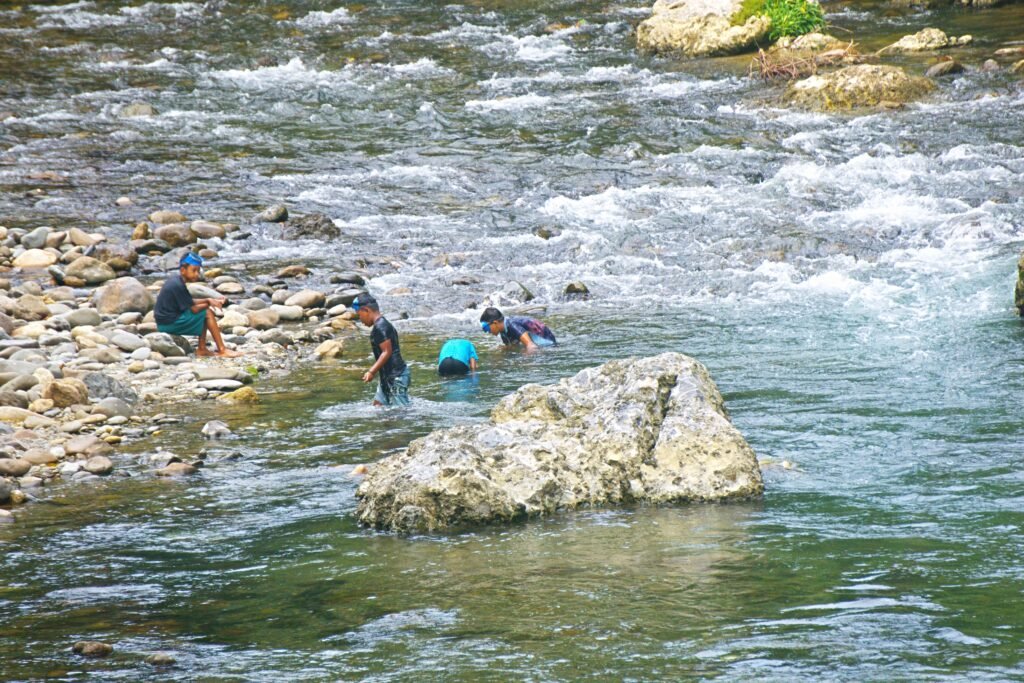
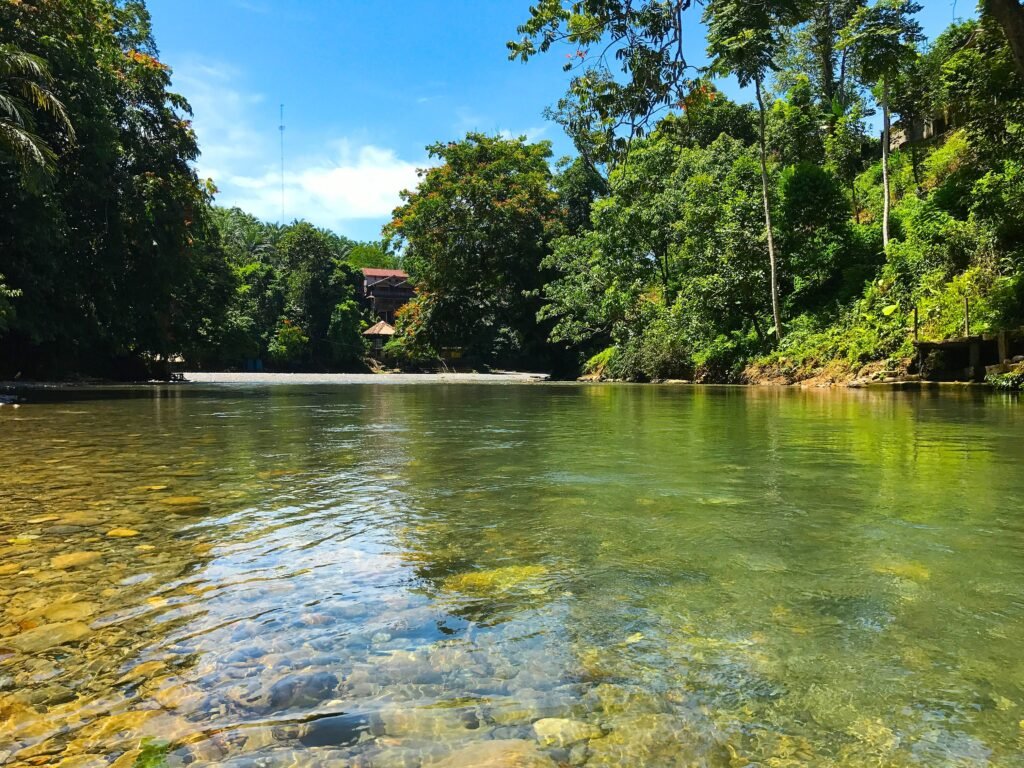
Today, Tangkahan is once again welcoming travellers from around the world.People come here to experience the rainforest, walk along jungle trails, explore the river, learn about local life, and experience a part of Sumatra that still feels wild and authentic.

But Tangkahan is still a village first.People live here. Families raise their children here. Guides and rangers work in the forest. Local people cook for visitors, maintain trails, drive vehicles, run small businesses, and help make tourism possible. And the story is still being written.

The future of Tangkahan depends on finding the right balance.We want people to visit and experience the beauty of the jungle. But we also want the forest to remain here for the people and wildlife that depend on it. We believe tourism can be part of that future.

By bringing visitors to Tangkahan, we can create opportunities for local families, support conservation, and help people understand the importance of protecting the ecosystem.

For us, eco-tourism is not about bringing as many people as possible into the jungle. It is about bringing the right people, creating meaningful experiences, and making sure the benefits reach the community.
Scroll to Top